To Ďumbier by the Back Way
- 06:45
- 18 km
- 1320 m
The Low Tatras—who hasn’t heard of them? They’re the second most visited mountain range in Slovakia and the country’s longest mountain range overall. While most hikers head for the Jasná resort in the Demänovská Valley and the nearby peaks, those looking for more adventure will find a 100-kilometre ridge traverse and plenty of remote corners that see far fewer visitors.
The backbone of the Low Tatras is an approximately 80-kilometre-long main ridge, divided by Čertovica Pass into two parts: the western Ďumbier Tatras and the eastern Kráľova Hoľa Tatras.
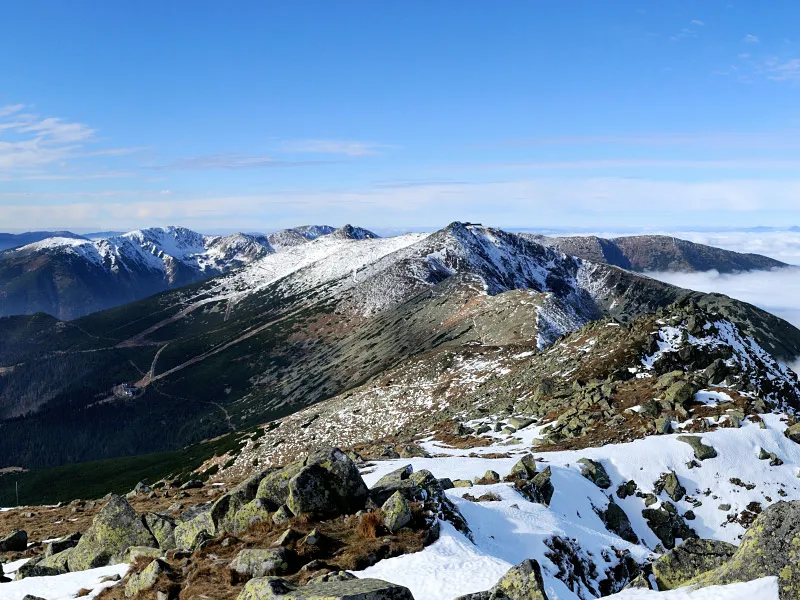
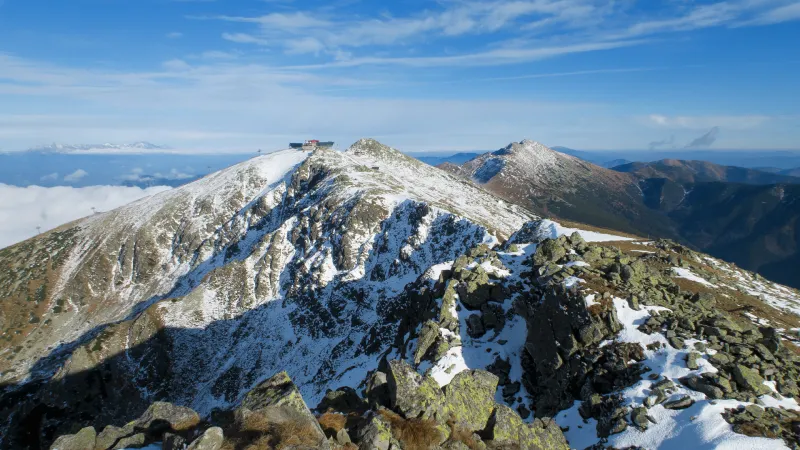
It is the Ďumbier Tatras that are higher and home to the highest peak of the entire Low Tatras: Ďumbier (2,046 m). Not far away stands the equally famous Chopok (2,024 m). This area is by far the most visited, and not only in summer. On both the northern and southern slopes of Chopok, you’ll find numerous ski runs linked by the cable car’s upper station right next to the summit, together forming the largest ski resort in Slovakia.
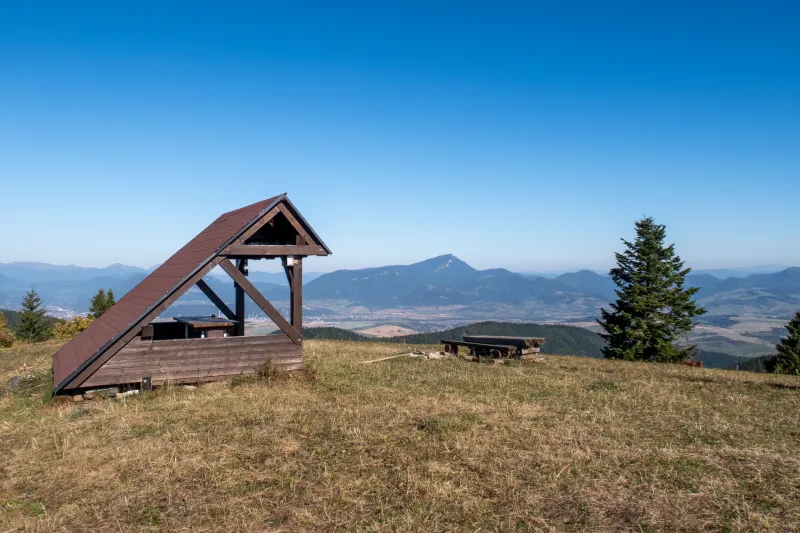
The most popular starting point for many beautiful hikes is Demänovská Valley on the northern side of the Low Tatras. From here you can head to the heavily visited Chopok and Ďumbier, as well as to quieter spots with superb views—for example Krakova Hoľa (1,752 m) or Sina (1,560 m). Both of these peaks are usually accessed from Demänovská Cave of Liberty, the largest cave in Slovakia (cave info).
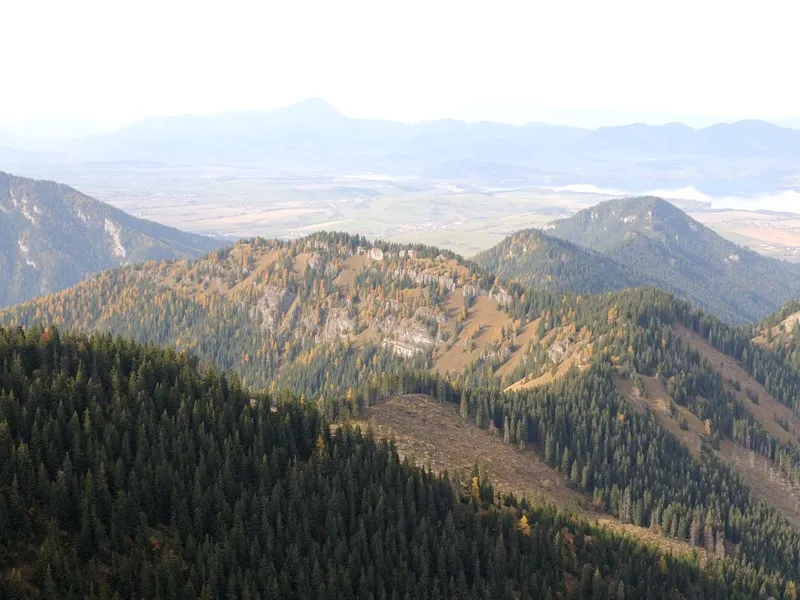
The ridges of the eastern part of the Low Tatras are lower, largely forested, and you won’t find any major hiking or ski resorts here. The highest and also most visited peak is the legendary Kráľova hoľa (1,946 m), rising above the village of Telgárt. Even from far away, you can easily recognize it by the transmitter on the summit.
Telgárt is also the starting point—or, if you prefer, the finish—for the Low Tatras ridge traverse, a demanding and unforgettable five-day crossing in which you cover nearly 100 kilometres and 5,500 metres of ascent to Donovaly at the opposite end of the range. You can sleep in shepherds’ huts, camp nearby under the stars, or use several other designated overnight spots close to the ridge. A few mountain huts are available as well.